Universitat de les Illes Balears
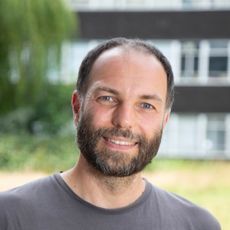
Jaime Flexas Sans
Full professor of Fisiologia Vegetal at Universitat de les Illes Balears

IWPE 2026
Meet the researchers and leaders contributing to IWPE 2026. More keynote speakers will be announced as the program develops.
Universitat de les Illes Balears
Full professor of Fisiologia Vegetal at Universitat de les Illes Balears
The Australian National University
Emeritus Professor in Research School of Biology at The Australian National University
Estonian University of Life Sciences
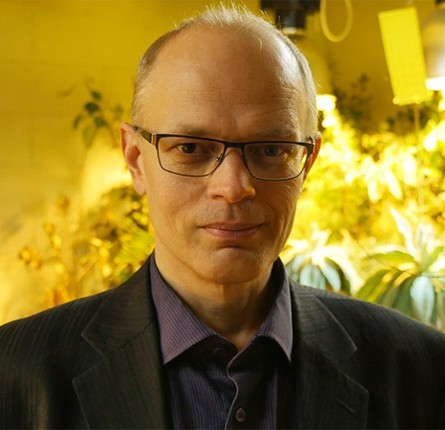
Professor and Head of Department of Crop Science and Plant Biology, Estonian University of Life Sciences
University of Wollongong in Australia
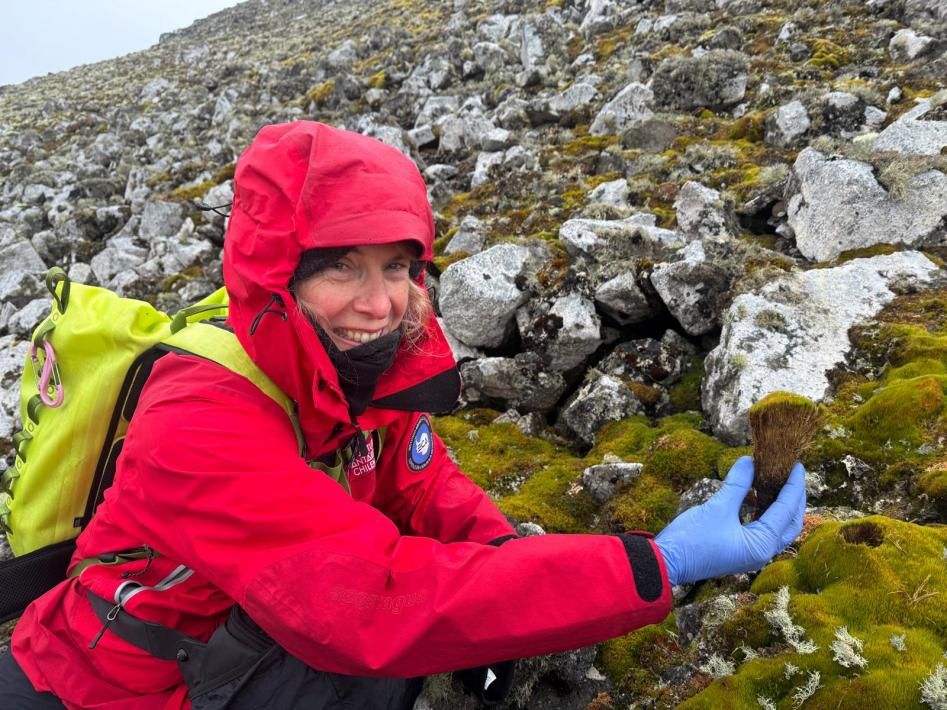
Distinguished Professor, Australian Laureate Fellow at the University of Wollongong in Australia
Distinguished Professor Sharon Robinson AM is an Australian Laureate Fellow at the University of Wollongong in Australia. Sharon was educated in the UK. After completing her PhD at University College London in 1990, she held postdoctoral positions in the USA and Australia. She first visited East Antarctica in 1996 and has led a terrestrial monitoring project in the Windmill Islands, East Antarctica since 2003. Her research characterizes the impact of anthropogenic change, including ozone depletion and climate change, on Antarctica tundra ecosystems. She has been on 14 research expeditions to Antarctica with the Australian and Chilean Antarctic programs.
Sharon is a co-chair of the SCAR Antarctic Near shore and Terrestrial Observing System (ANTOS) Expert Group and a lead author for the UN Environment Programme, Environmental Effects Assessment Panel. As Deputy Director (Science Implementation) for the Australian Research Council Special Research Initiative, Securing Antarctica’s Environmental Future she leads research which informs stronger protection for Antarctic environments.
National Chung Hsing University
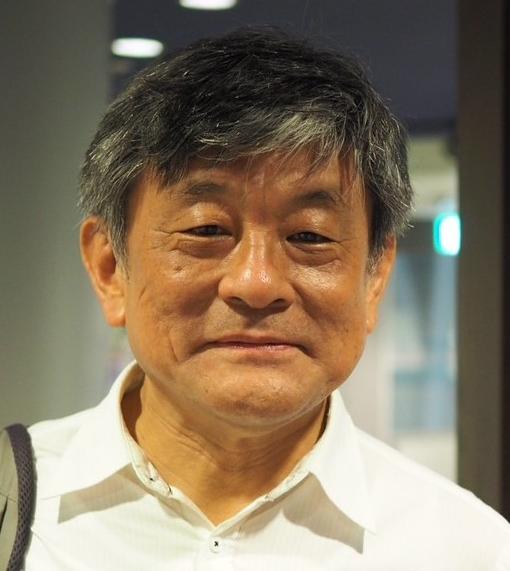
Professor and Yushan Scholar at the Institute of Molecular Biology, National Chung Hsing University
Light reactions and photoinhibition, Regulation of mesophyll and stomatal conductance, Physiological leaf anatomy

National Research Council of Italy
Professor at the Institute for Sustainable Plant Protection, National Research Council of Italy
My research interests have focused on the physiological and growth responses of crop and forest species to climate change, with particular attention to photosynthetic limitations, plant growth dynamics, water-use efficiency, and BVOC emissions under environmental stress. In recent years, my work has shifted toward plant phenotyping and precision agriculture, with a focus on linking ecophysiological traits to remote and proximal sensing indices to improve crop performance and optimize resource use in water-limited environments.
Universitat de les Illes Balears
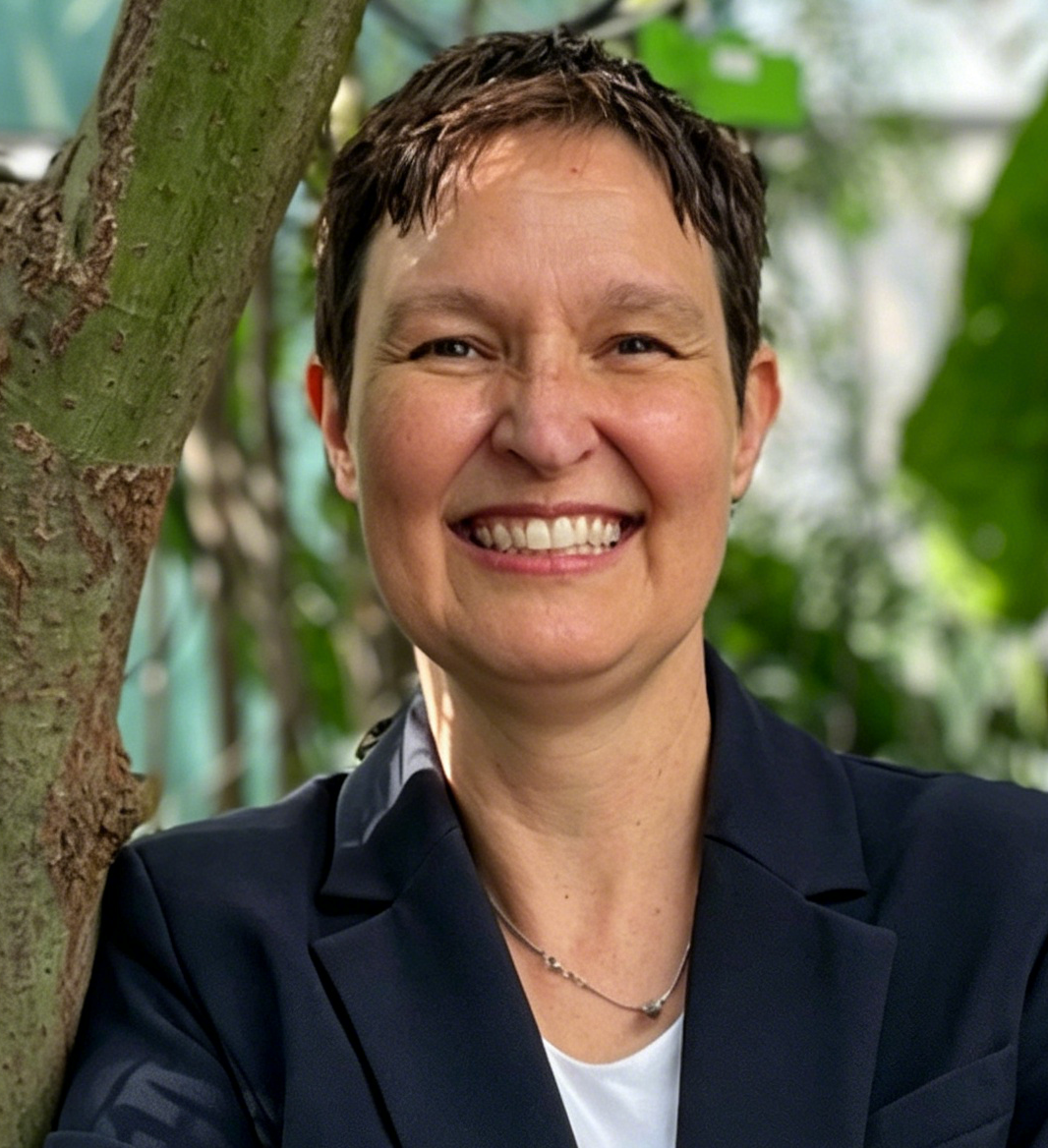
Full professor at Universitat de les Illes Balears
University of Ioannina
Assistant Professor of Plant Anatomy and Physiology in the Department of Biological Applications and Technologies at the University of Ioannina and Head of the Functional Plant Biology Laboratory
Charilaos Yiotis is a plant physiologist specialising in the mechanisms underlying plant-environment interactions. His research focuses on the role of atmospheric changes in shaping macroevolutionary patterns and on the impacts of climate change on natural vegetation and the productivity of field crops. He graduated from the Department of Biology at the University of Patras, where he also completed his PhD in the Plant Physiology Laboratory. From 2012 to 2021, he conducted postdoctoral research at University College Dublin and Trinity College Dublin as a fellow of the European Research Council, the Science Foundation Ireland, and the Irish Research Council. Since July 2021, he has been Assistant Professor of Plant Anatomy and Physiology in the Department of Biological Applications and Technologies at the University of Ioannina and Head of the Functional Plant Biology Laboratory.
University of Birmingham
Research Fellow at the University of Birmingham
My research combines plant physiology, biophysics and quantitative modelling to understand how plants regulate the balance between carbon gain and water loss. I am particularly interested in non-stomatal control of transpiration, mesophyll gas diffusion, and their implications for water-use efficiency.

My research is centered on photosynthesis and its connection to water stress tolerance in leaves across diverse plant groups, emphasizing the anatomical and physiological mechanisms underlying this relationship. At present, I am studying growth and water use in tree species at the whole plant level.
University of Natural Resources and Life Sciences
Assistant Professor in Institute of Botany
Daniel (Danny) Tholen is a plant ecophysiologist working at BOKU University in Austria and specializes in plant anatomy and photosynthesis. His research uses 3D micro-computed tomography, computational modeling and advanced gas-exchange techniques to explore how anatomy affects carbon assimilation and water-use under environmental stressors like drought, heat, and salinity. Over his career, he has held research and academic positions at Utrecht University, the Chinese Academy of Sciences, The University of Tokyo, and at BOKU University.
Western Sydney University
Research Fellow in Cotton Physiology, Hawkesbury Institute for the Environment
Dr Demi Sargent investigates photosynthetic traits underlying heat and drought resilience in cultivated cotton and its wild relatives. Her research focuses on the biochemical, physiological and anatomical factors that regulate CO₂ assimilation under climate stress.
Lancaster University
Professor of Crop Physiology in Lancaster University
University of Birmingham
Associate Professor in Plant Physiology at the University of Birmingham
Dr Florian Busch is a theoretical and experimental plant physiologist interested in all aspects of photosynthesis. His focus is on linking different photosynthetic processes with mathematical models to study the biochemical limitations of carbon fixation and to gain a quantitative understanding of how plant carbon uptake responds to changes in the environment.
Universidad de Concepción
Assistant Professor at University of Concepción
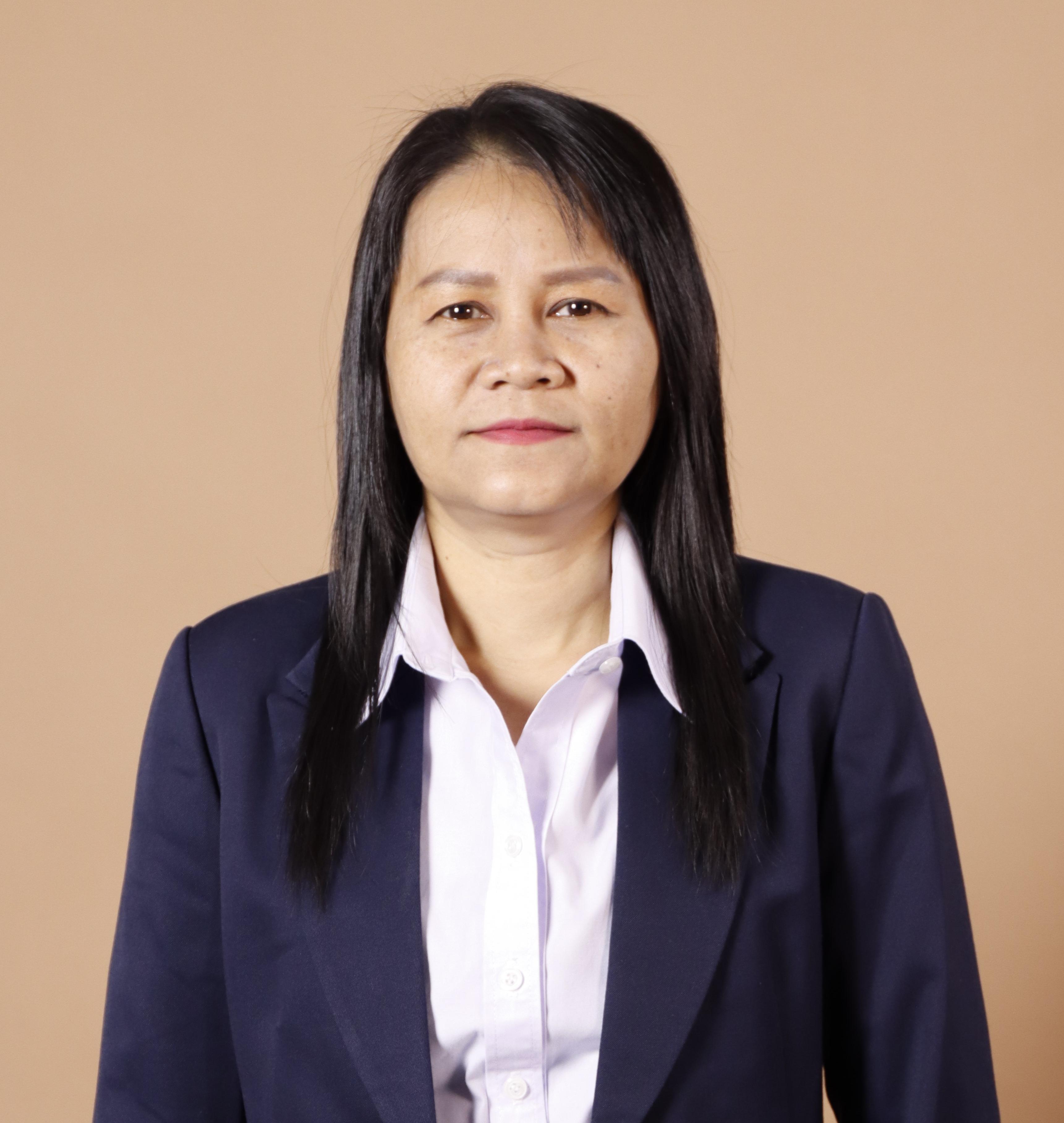
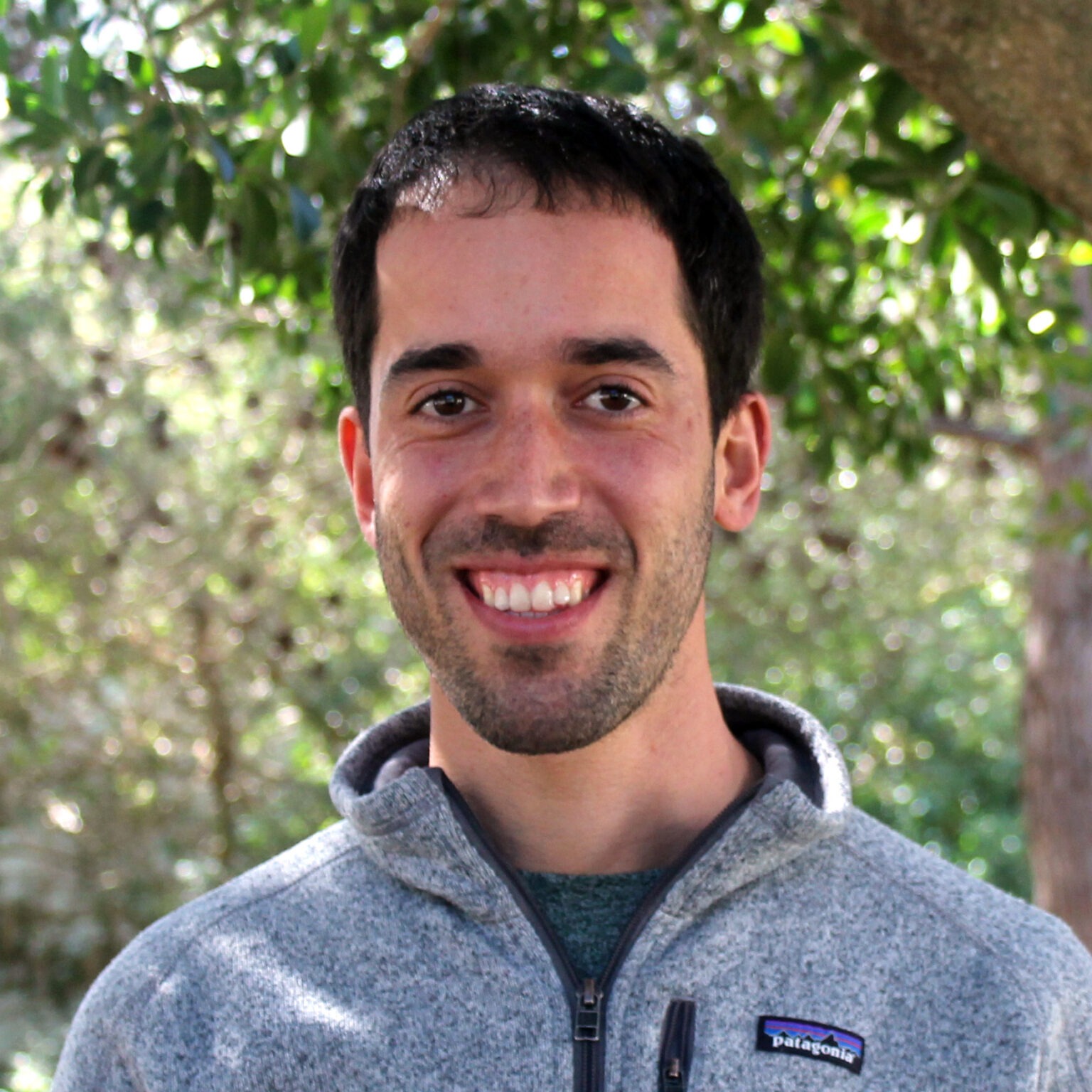
Universitat de les Illes Balears
Tenured professor of plant physiology at the Department of Biology of the University of the Balearic Islands
Dr Marc Carriquí studies how plant structure and function vary across biodiversity and evolution. His research focuses on CO₂ diffusion in photosynthetic organs, water transport and use, and the physiological limits of CO₂ and water movement under environmental stress.

The Australian National University
ARC DECRA Fellow at Australian National University
Eric is interested in understanding how plant physiological processes, particularly photosynthesis and respiration, respond to major global change factors, including warming, elevated CO2, and drought.
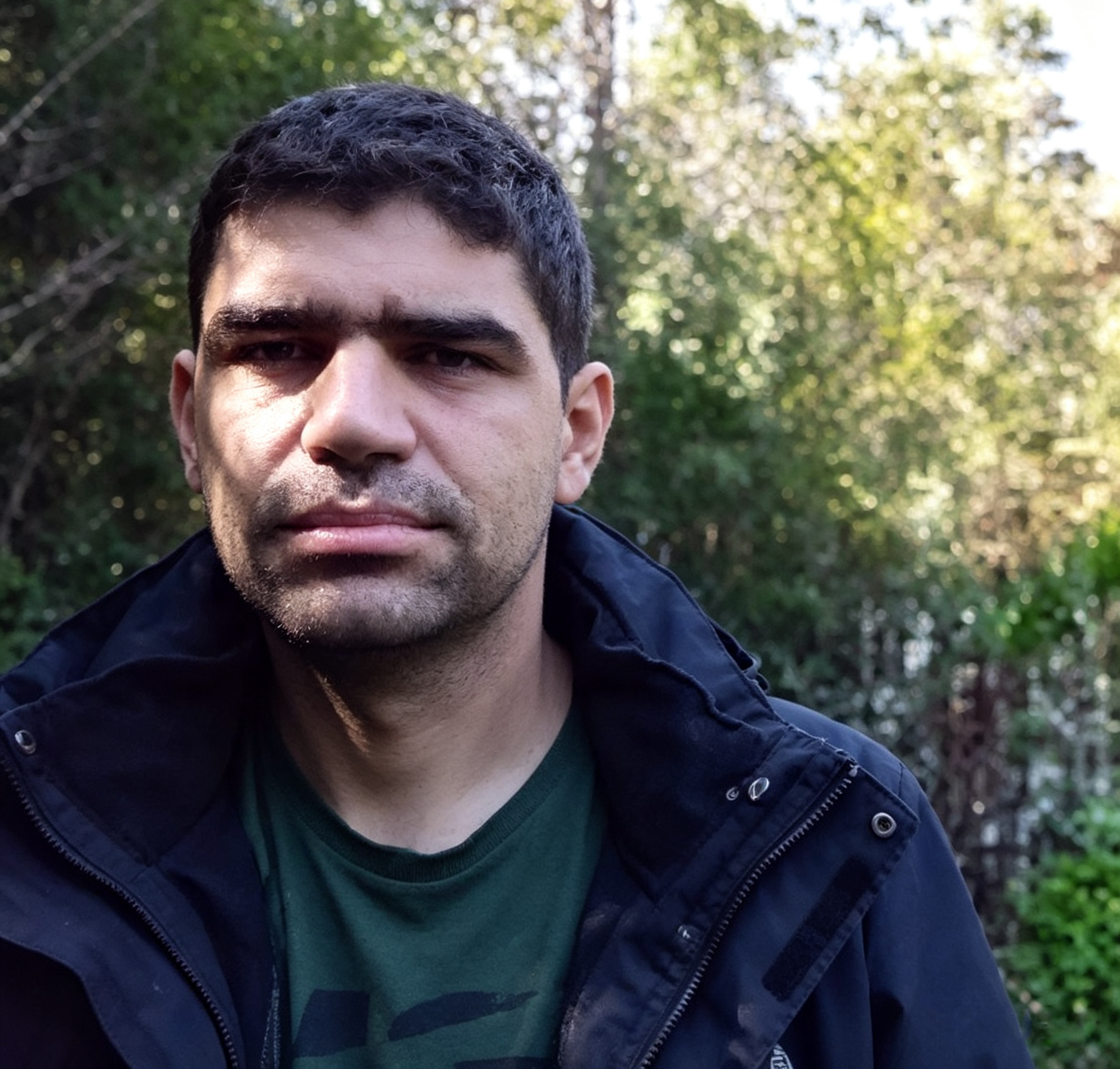
Federal University of Lavras
Assistant Professor at Federal University of Lavras
My research interests are on crop photosynthesis, and plant–environment interactions, with particular emphasis on how crops adjust their physiological processes to environmental variation. A major component of my work uses sugarcane (Saccharum spp.), a C4 crop, to investigate the integration of photosynthesis, water relations, mineral nutrition, carbon metabolism, and plant growth under environmental constraints. By integrating gas exchange, chlorophyll fluorescence, nutrient homeostasis, metabolism, and plant anatomy, my research aims to understand the mechanisms underlying plant plasticity under changing environmental conditions.
Tokyo University of Pharmacy and Life Sciences
Assistant Professor at Tokyo University of Pharmacy and Life Sciences
My research interests are in understanding the photosynthetic performance of cassava and rice in response to drought and salinity stress in the tropical savanna climate of Thailand.
Ines Münchinger is a PhD student in plant ecophysiology at BOKU University, Vienna. Her research focuses on how stem photosynthesis contributes to tree carbon and water relations under environmental stress. She builds custom gas-exchange chambers and adapts leaf-based gas-exchange and chlorophyll fluorescence methods to woody stems, with a particular interest in stem CO2 efflux partitioning and bark conductance to CO2 and H2O under drought and heat.

Australian National University
Postdoctoral Research Fellow in Professor Graham Farquhar’s lab at the Australian National University
I am a Postdoctoral Fellow in Professor Graham Farquhar’s research group at the Australian National University. Driven by a deep love of nature and plants, I have developed an interdisciplinary research background in hydraulic engineering (ecohydrology) and plant science (plant physiology). I am passionate about exploring the strategies that enable plants to survive in this complex world. My current research focuses on understanding how plant photosynthesis and water use respond to environmental changes and the underlying physiological mechanisms, with particular emphasis on the roles of stomata, mesophyll, and biochemical processes. I also work to incorporate new mechanistic insights into models to improve simulations of plant photosynthesis and water use.
Lancaster University
Postdoc researcher at Lancaster Environment Centre, Lancaster University

University of British Columbia
Assistant Professor at the Department of Botany, University of British Columbia
Research interests: CO2 assimilation, Rubisco, Mesophyll conductance

The Australian National University
Head of Division of Plant Sciences, Professor at The Australian National University
Prof. Way is interested in how plants respond to climate change, including rising CO2 concentrations, warming and water stress, with a special focus on plant carbon and water fluxes.
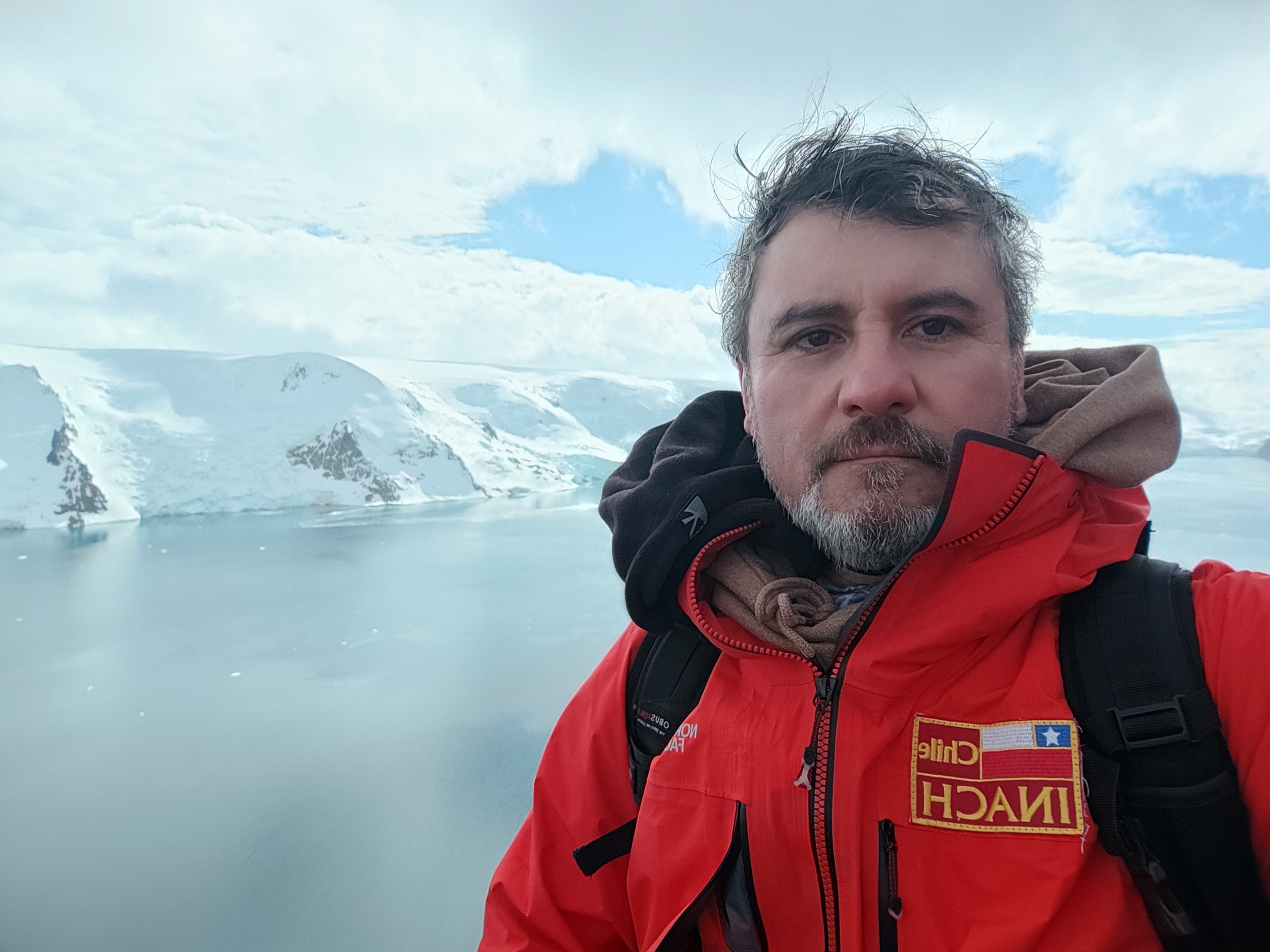
My training is in Plant Physiology and Plant Molecular Biology, particularly on plant responses to environmental abiotic factors (temperature, light, water) limitations. I am focused on plants from natural extreme environments such as, high elevations, Antarctica, desert ecosystems, studying their freezing tolerance, low temperature induced photoinhibition and photosynthesis limitations. Currently, I conduct research on the impact of accelerated warming experienced by the Antarctic Peninsula on native plant populations and how plants from high elevation and desert can withstand their own habitat.

Western Sydney University
Professor at Western Sydney University and Director of the Australian Research Council (ARC) Training Centre for Smart and Sustainable Horticulture (TC-SaSH)
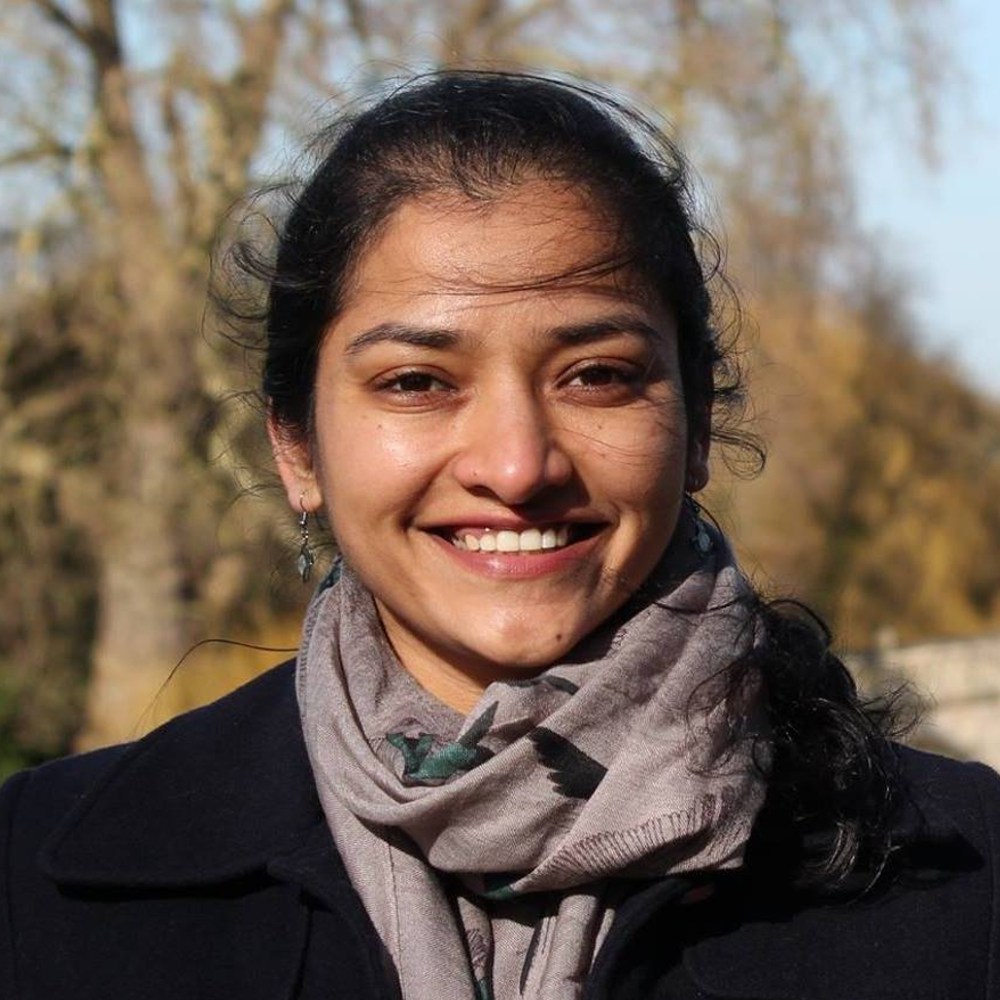
University of Essex
UKRI-Future Leaders Fellow and Assistant Professor at University of Essex
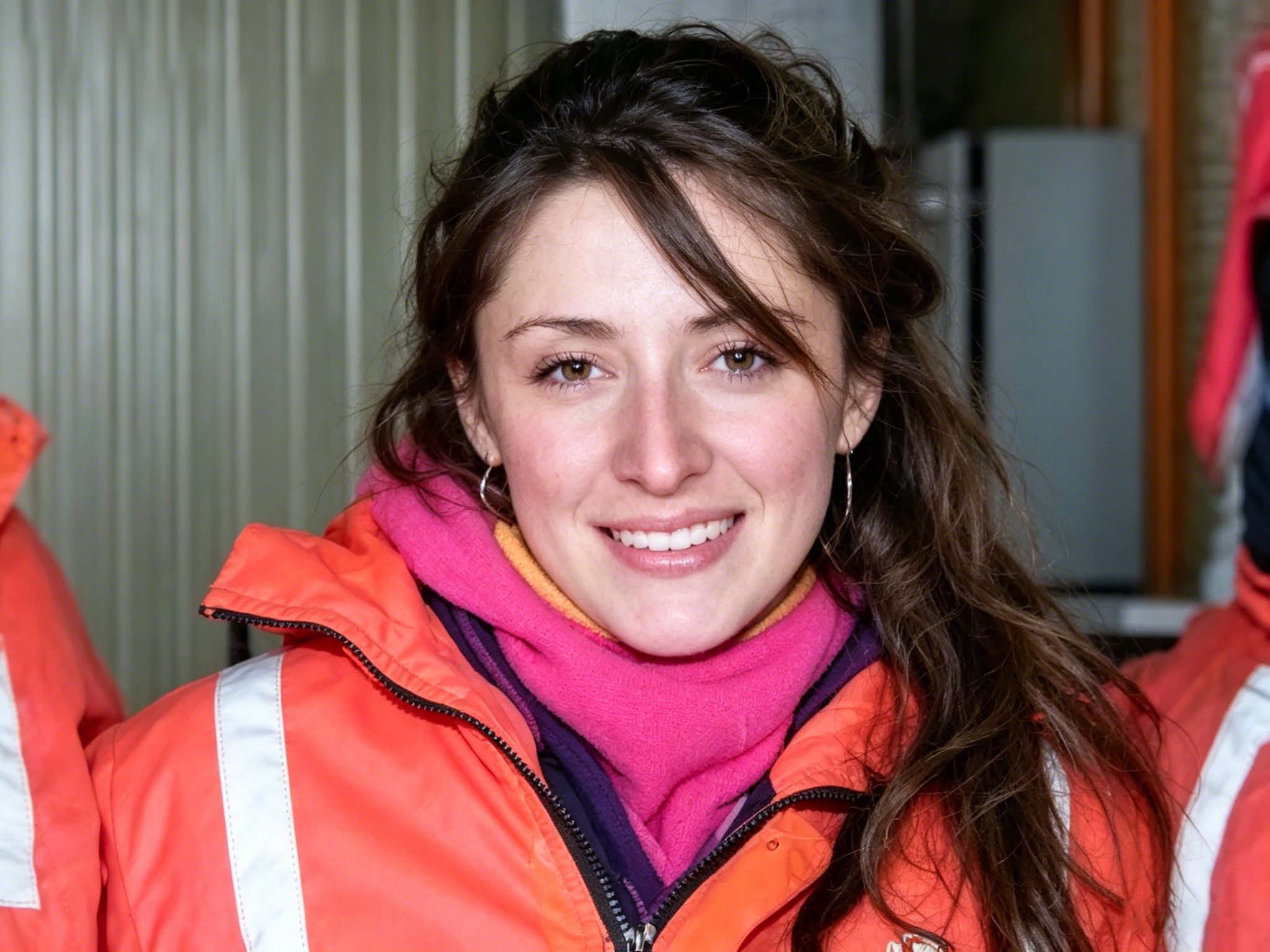
UNIVERSITY OF LA FRONTERA
Associate Professor at Universidad de La Frontera
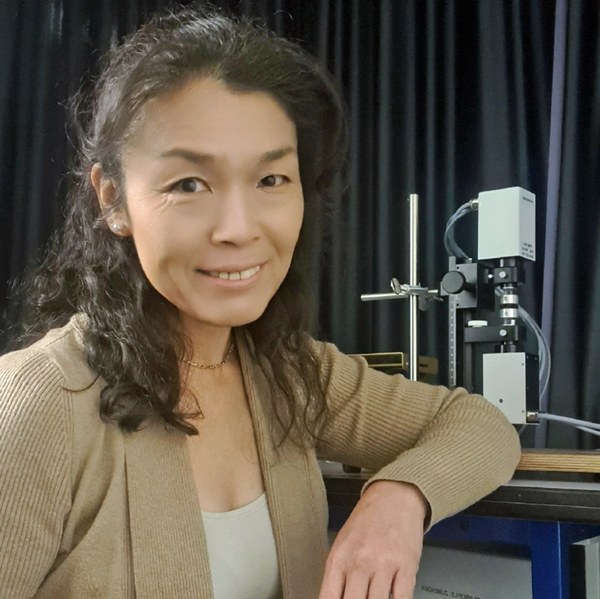
Institute of Bio- and Geosciences (IBG)
Senior Researcher at Institute of Bio- and Geosciences (IBG)
Wageningen University & Research
Assistant Professor of Crop Physiology at Wageningen University & Research
In my research, I try to unravel how plants cope with changing evironments, how this affects their photosynthesis and what this means for their growth, development and, ultimately, yield. This is approached at three different levels of integration: at the leaf level, at the plant level, and at the canopy level. At the leaf level, this requires understanding of the fundamentals of photosynthesis, both the light- and dark reactions. This includes photosynthetic electron transport, energy production, CO2 diffusion and assimilation, photorespiration, etc. At the plant level, also the secondary metabolism, translocation of assimilates (sugars), storage, growth and age become important. At the canopy level, this is further complicated by the distribution of light and the reaction of the plant and its photosynthesis to the environment. The processes at each integration level are modelled, with the ultimate goal of integrating the different levels and unravel novel ways to improve crop productivity.
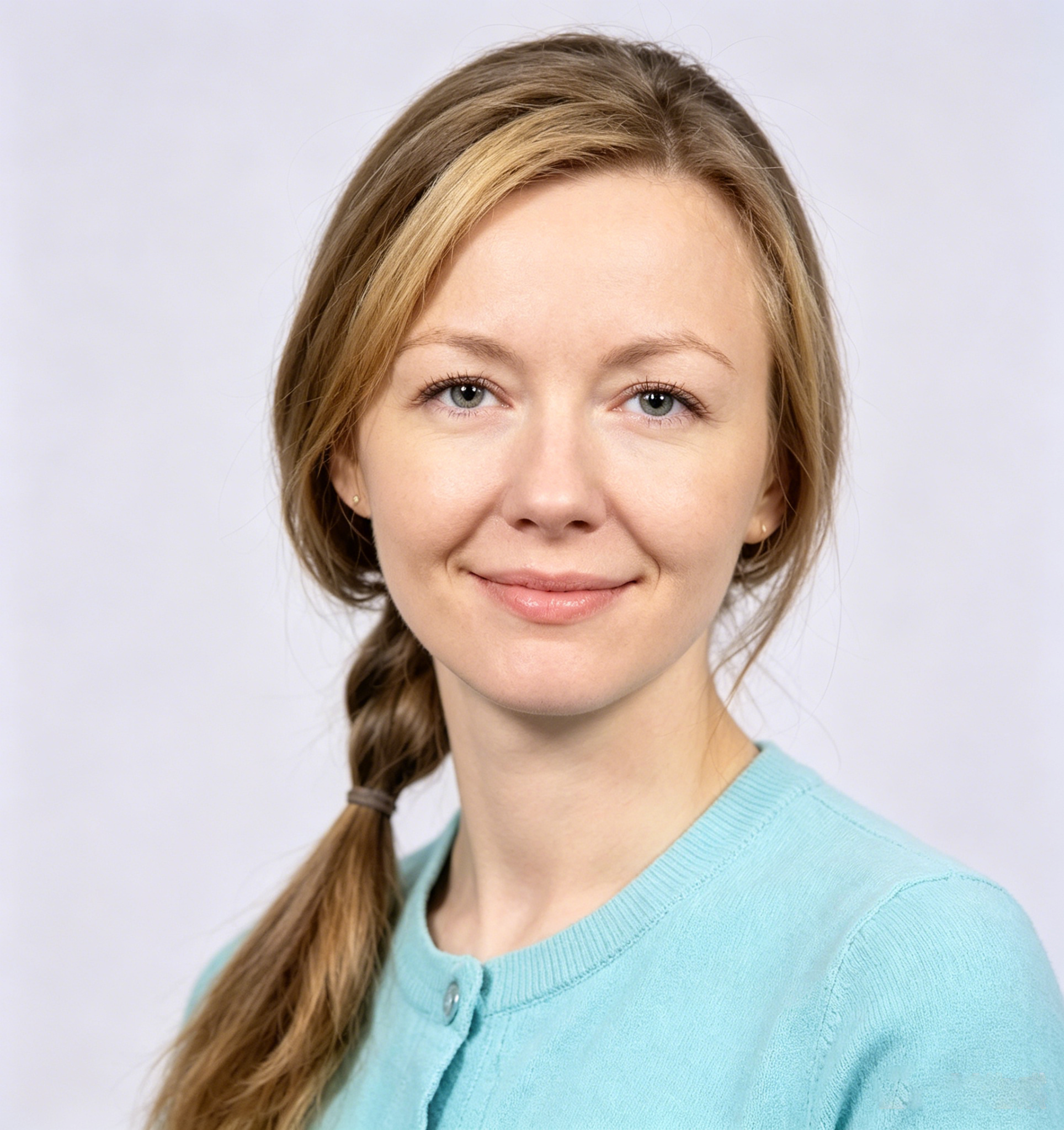
Estonian University of Life Sciences
Chair of Plant and Crop Science and Tenured professor at Estonian University of Life Sciences
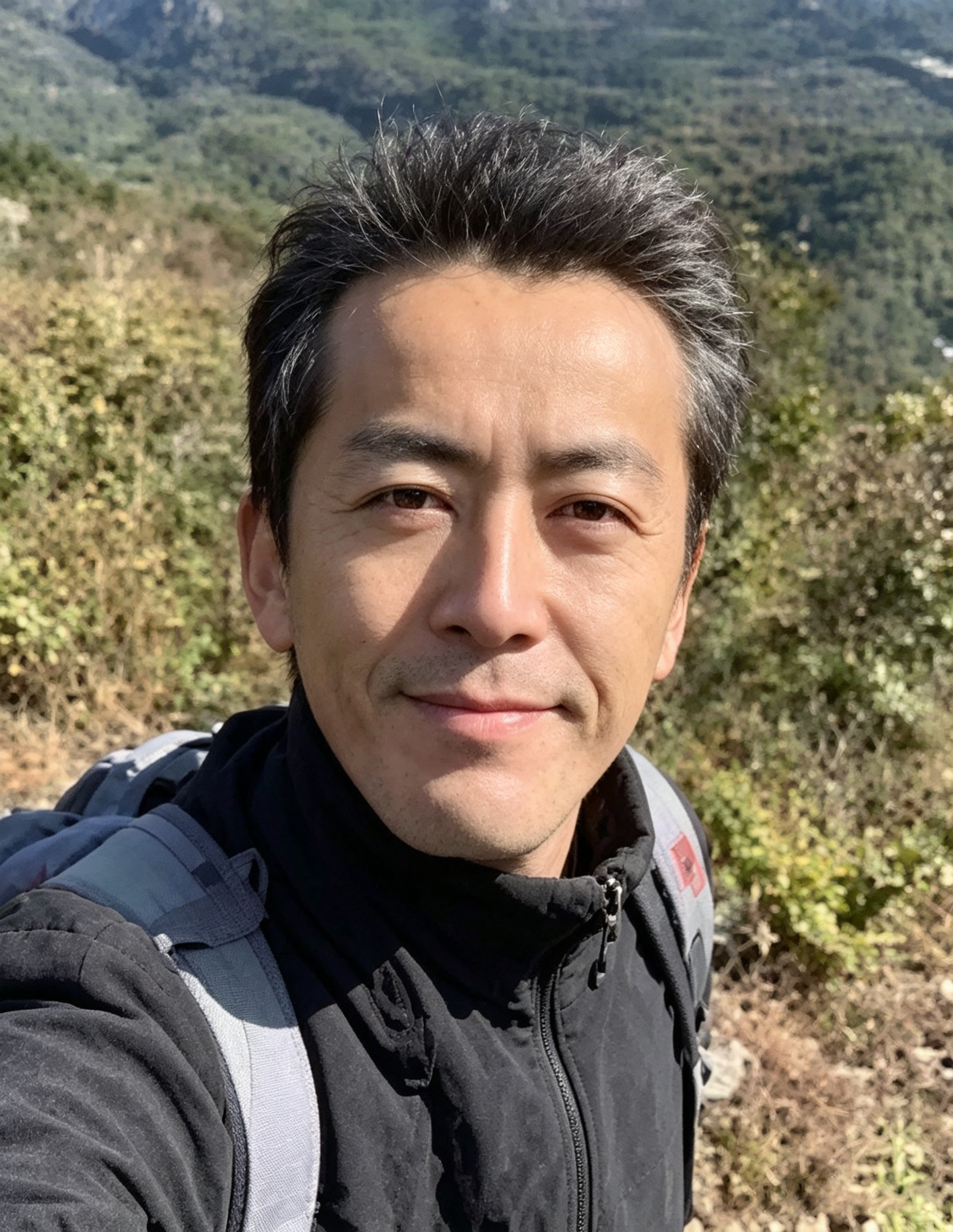
Research interests: photosynthesis, plant biomechanics, forest ecology, and biodiversity.

Session
University of Birmingham

National Research Council of Italy
University of Wollongong in Australia